April 20, 2026
Managing sanitation on construction sites is an essential part of project planning. Properly setting up construction restroom trailers ensures a safe, hygienic, and convenient environment for workers. Understanding the logistics and best practices can save time, reduce health risks, and increase overall site efficiency.
Understanding the Importance of Restroom Trailers
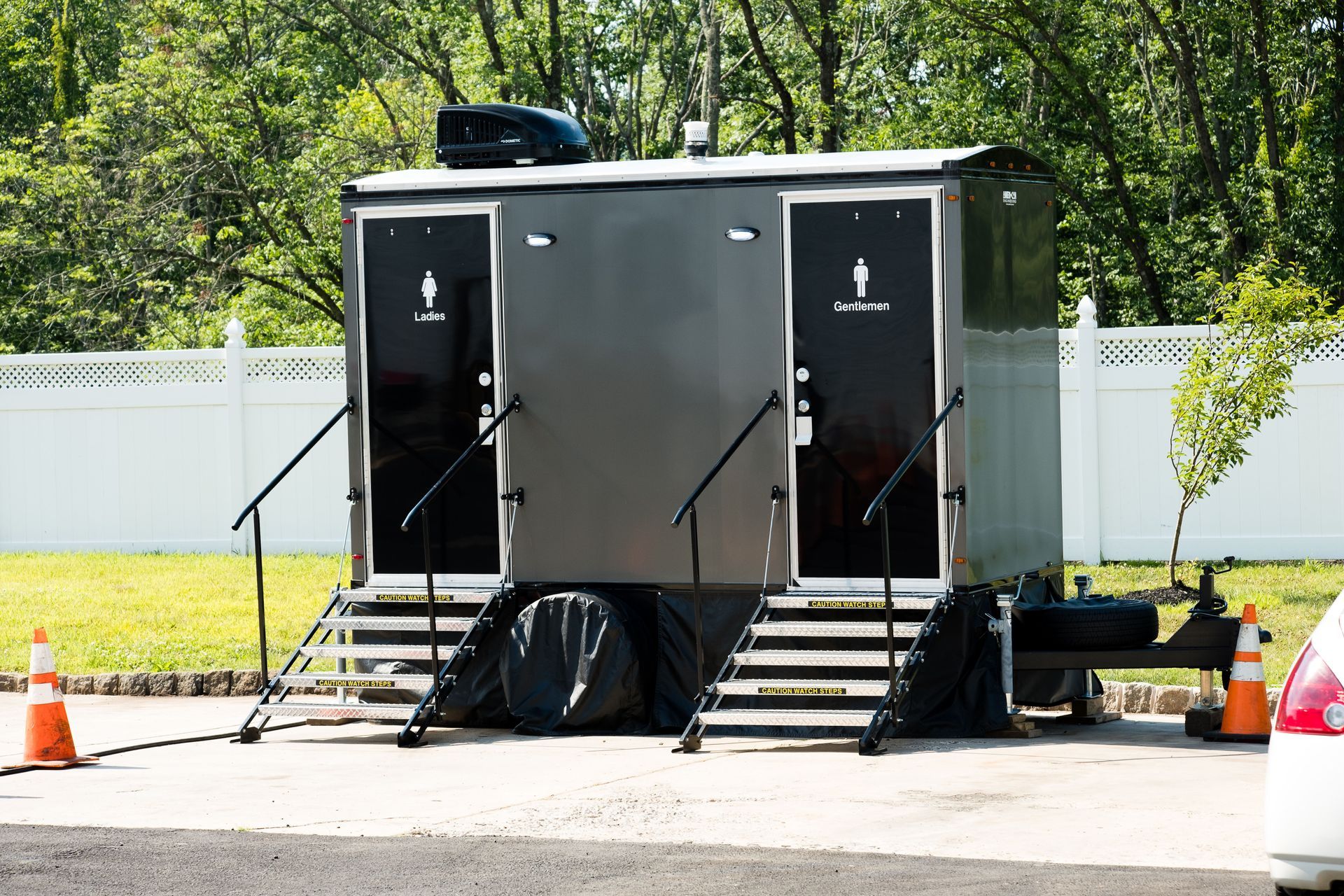
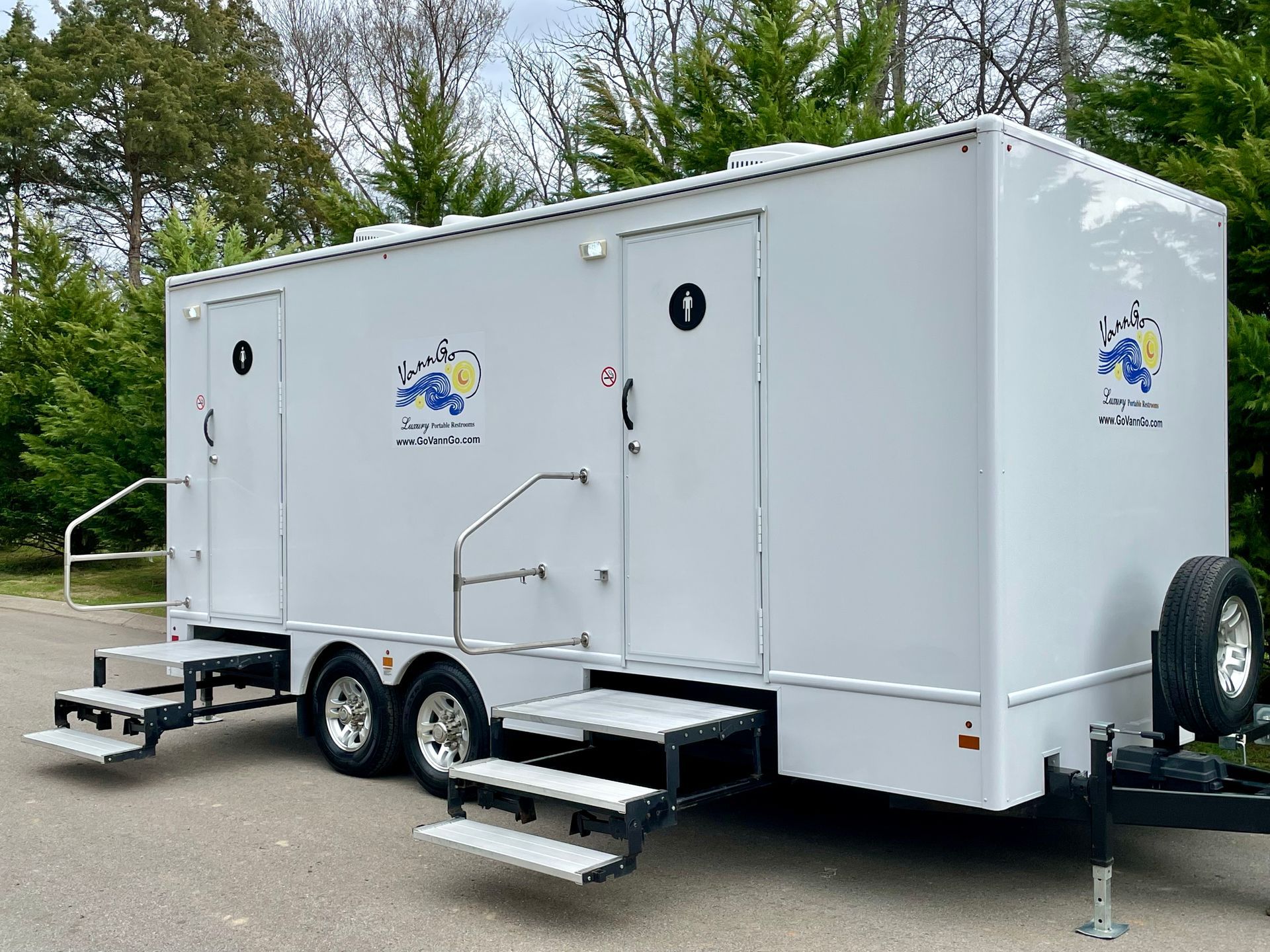
Restroom trailers provide a clean, comfortable alternative to traditional portable toilets. They are equipped with flushing toilets, sinks, climate control, and sometimes even hand sanitizers or paper towels, offering amenities that improve worker satisfaction. According to the Portable Sanitation Association International, 45 billion gallons of fresh water are saved annually through the use of portable restrooms. Using trailers not only supports sustainability but also ensures regulatory compliance on construction sites where sanitation standards must be maintained.
Selecting the Right Size and Capacity
The size and capacity of your restroom trailers depend on the number of workers, the duration of the project, and the site layout. According to our experts, smaller trailers may accommodate 4–6 people, while larger models can serve 20 or more. Consider peak usage times, such as lunch breaks or shift changes, to prevent long lines and overcrowding. Consulting with the rental provider can help you choose the optimal trailer size to balance comfort and cost.
Choosing the Ideal Location on Site
Placement is critical for construction restroom trailers. They should be centrally located for easy access, yet positioned away from high-traffic machinery or material storage areas. A flat, stable surface is essential to prevent tipping or shifting, and trailers should be accessible to service trucks for regular maintenance and cleaning. Proper placement enhances safety and ensures minimal disruption to workflow while keeping trailers convenient for all workers.
Preparing the Site for Installation
Before setting up restroom trailers, prepare the site by clearing obstacles and leveling the ground. Some trailers require connection to water and sewer lines, so verify that utilities are accessible if the model is plumbed. If hookups are unavailable, self-contained trailers with onboard tanks may be the best option. Ensuring proper preparation avoids delays, protects equipment, and makes the installation process smoother.
Connecting Utilities and Power
Depending on the model, construction restroom trailers may require electricity for lighting, climate control, and handwashing stations. Ensure that power sources are compatible and follow all safety protocols for outdoor electrical connections. For trailers that need water and waste connections, confirm that hoses, pipes, and tanks are properly sealed to prevent leaks or contamination. Proper utility setup ensures the trailers remain functional, clean, and comfortable throughout the project.
Establishing a Regular Cleaning Schedule
Maintaining cleanliness is essential to worker health and satisfaction. Coordinate with the rental company or on-site personnel to establish a cleaning schedule based on the number of users and project length. High-traffic sites may require daily servicing, while smaller crews can manage with twice-weekly visits. Regular cleaning helps control odors, prevents bacterial growth, and ensures that the trailers remain a pleasant facility for all workers.
Providing Adequate Supplies
Restroom trailers require a consistent stock of essential supplies. Items such as toilet paper, paper towels, soap, and hand sanitizer should be replenished regularly. Seasonal factors, like hot weather increasing water consumption or cold weather causing freezing issues, may also influence supply needs. Preparing in advance and monitoring inventory prevents shortages and keeps the facilities operational and hygienic.
Educating Workers on Proper Use
Even with well-maintained construction restroom trailers, improper use can lead to issues such as blockages or damage. Posting clear signage and providing brief training on proper use ensures that workers respect the facilities. Encourage habits like flushing toilets correctly, disposing of paper towels in designated bins, and reporting any problems immediately. Educated users help maintain cleanliness, extend trailer lifespan, and reduce service interruptions.
Monitoring Waste Levels and Servicing Needs
Regular monitoring of waste levels is essential to avoid overflows, unpleasant odors, or malfunctions that can disrupt site operations. Many restroom trailers come equipped with indicators or sensors that provide real-time alerts when tanks approach capacity, allowing proactive management. Coordinating closely with the rental company ensures that pumping, cleaning, and servicing are scheduled before tanks reach their limits, preventing emergency situations or unsanitary conditions. In addition, keeping detailed records of waste levels and service visits helps track usage trends, anticipate peak demand, and optimize maintenance schedules. Proactive monitoring and management ensure that trailers remain hygienic, fully functional, and compliant with health regulations, maintaining a safe and pleasant environment for all workers.
Adapting Trailers for Accessibility
Construction restroom trailers should accommodate all workers, including those with mobility challenges or other special needs. ADA-compliant models provide ramps, wider doors, grab bars, and accessible sinks and toilets, ensuring that everyone can use the facilities safely and comfortably. Ensuring accessibility not only promotes inclusivity and demonstrates respect for all employees but may also be required by law on certain job sites, helping avoid potential fines or legal issues. Planning for accessibility improves worker morale, encourages proper use of the facilities, and supports overall productivity. Additionally, accessible trailers signal a commitment to safety and equality, fostering a positive work environment and reinforcing regulatory compliance on construction sites.
Incorporating Climate Control Features
Climate control is an important consideration for worker comfort and overall site efficiency. Trailers equipped with heating, ventilation, or air conditioning allow use in extreme weather conditions, from sweltering summer heat to frigid winter temperatures. Providing a comfortable environment encourages workers to use the facilities consistently, rather than taking unsafe shortcuts, such as relieving themselves outdoors or using unsanitary areas. Well-regulated climate also reduces odors, keeps handwashing stations functional, and prevents plumbing issues that can arise from freezing or excessive heat. Investing in climate-controlled trailers not only enhances morale and productivity but also demonstrates a commitment to worker health and safety, ultimately contributing to a more professional and hygienic construction site.
Planning for Long-Term Projects
For long-term construction projects, it’s crucial to plan for trailer maintenance, supply restocking, and potential expansion well in advance. Regularly monitoring usage trends, peak traffic times, and crew schedules allows project managers to adjust the number of trailers or servicing frequency as needed, preventing shortages or overflows. Anticipating seasonal changes, project growth, or increased crew size ensures continuous availability and consistent sanitation standards throughout the project lifecycle. Additionally, coordinating with the rental company for proactive servicing, timely supply deliveries, and potential upgrades can help accommodate unexpected changes. Thoughtful planning reduces downtime, supports worker satisfaction, and ensures that sanitation facilities remain reliable and hygienic from start to finish.
Ensuring Safety and Compliance
Construction sites are governed by regulations that often include sanitation requirements to protect worker health and safety. Properly installed and maintained restroom trailers help meet OSHA and local health standards, ensuring that all employees have access to hygienic facilities throughout the workday. Regular inspections, proper signage, and accessible locations all contribute to site safety by preventing accidents, promoting proper usage, and maintaining cleanliness. Additionally, keeping detailed records of maintenance and service schedules demonstrates compliance during audits or inspections. Ensuring compliance not only protects workers from illness and injury but also avoids fines, legal complications, and potential project delays, making it a critical aspect of responsible site management.
Setting up construction restroom trailers correctly improves worker comfort, site efficiency, and hygiene. By considering placement, size, utilities, and maintenance, project managers can ensure facilities meet all needs. Proper planning and management make sanitation on construction sites safe, sustainable, and hassle-free. If you want to learn more about setting up restroom trailers, contact VannGo Luxury Mobile Restrooms & Portable Solutions today to learn more and get started!