July 30, 2026
Planning a successful public gathering or outdoor celebration involves managing dozens of complex moving parts. From securing the perfect venue to coordinating vendors, coordinators must balance guest comfort with operational efficiency. In recent years, a major shift has occurred in how these gatherings are organized, with environmental responsibility moving from an afterthought to a core priority. Modern hosts actively seek ways to minimize ecological footprints, reduce resource consumption, and limit waste generation. While elements like digital ticketing and compostable catering packaging are frequently discussed, one crucial infrastructure choice often goes unnoticed: sanitation management.
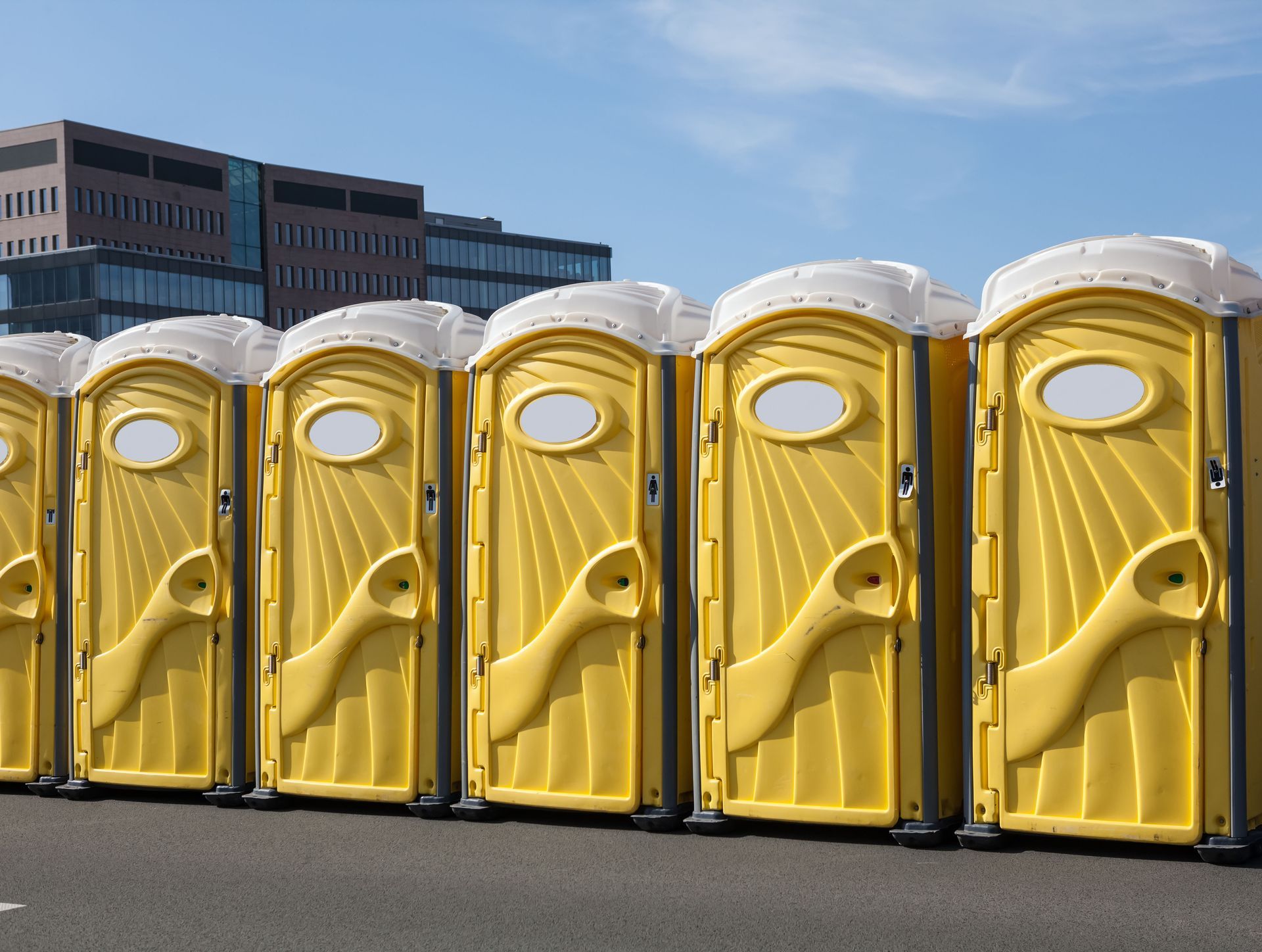
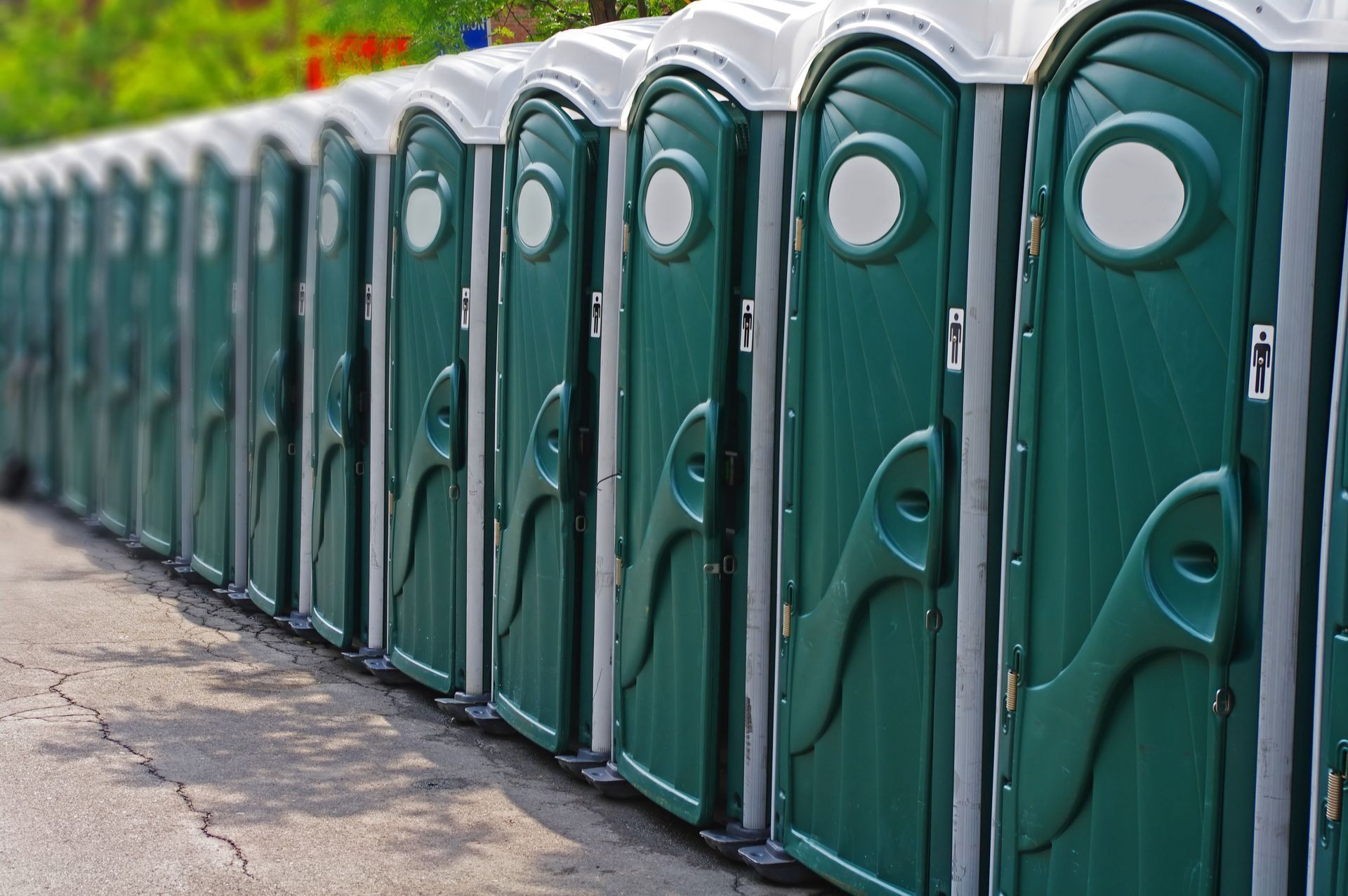
Integrating a professional portable restroom rental strategy into an early event blueprint plays an indispensable role in achieving green certification and reducing environmental impacts. Temporary sanitation facilities are no longer just practical necessities for remote locations; they are highly engineered systems designed to conserve precious resources. By analyzing the intersection of temporary waste management and eco-conscious logistics, organizers can discover how these services protect local ecosystems, dramatically lower water usage, and support the broader goals of green event execution.
Conserving Natural Water Resources
Maximizing Water Efficiency via Low-Flow Systems
One of the most immediate environmental challenges for any large gathering is excessive water consumption. Traditional permanent venues often struggle with the sudden surge in utility demands, leading to strained local infrastructure and massive resource depletion. Utilizing a strategic portable restroom rental avoids this issue entirely by deploying self-contained systems engineered for maximum fluid efficiency. Traditional flushing toilets use several gallons of fresh water per flush, whereas temporary units rely on specialized containment designs that require no continuous water hookup. This drastic reduction in resource dependency allows organizers to host thousands of attendees without placing an unsustainable burden on municipal water supplies.
Quantifying the Global Impact of Resource Preservation
The collective savings generated by these temporary sanitation systems extend far beyond individual event sites. According to the Portable Sanitation Association International, portable restrooms conserve 125 million gallons of fresh water around the world daily by replacing standard infrastructure with self-contained, low-volume designs. When applied to a localized festival or community gathering, this efficiency translates into thousands of gallons of pure water preserved over a single weekend. By shifting attendance away from permanent facilities that require heavy flushing cycles, planners actively participate in a massive, worldwide conservation effort that protects vital freshwater reserves for future generations.
Protecting Local Land and Ecosystems
Preventing Soil Contamination Through Secure Containment
Outdoor gatherings hosted in pristine natural settings, such as state parks, agricultural fields, or private estates, face distinct ecological vulnerabilities. Without designated facilities, open spaces are highly susceptible to human waste pollution, which introduces harmful pathogens into the topsoil. A professional portable restroom rental provides a secure, fully enclosed containment system that prevents raw sewage from ever making contact with the ground. Modern units are constructed from durable, high-density polyethylene that resists cracks and leaks, ensuring that all collected materials remain entirely isolated from the surrounding landscape throughout the duration of the gathering.
Safeguarding Nearby Natural Waterways From Hazardous Runoff
When human waste contaminates the ground, rainstorms can easily wash those contaminants into nearby streams, ponds, or underground aquifers. This runoff disrupts delicate aquatic ecosystems, sparks toxic algae blooms, and compromises local drinking water quality. By clustering temporary facilities in strategic, accessible locations, organizers effectively channel all human waste into managed holding tanks. Professional service technicians then transport the collected materials directly to municipal treatment plants, completely eliminating the risk of dangerous chemical or biological runoff into vulnerable local watersheds.
Optimizing Logistical Energy and Footprints
Reducing Transportation Emissions With Strategic Unit Placement
Greenhouse gas emissions linked to vendor transport represent a major component of an event's carbon footprint. Coordinating a portable restroom rental allows for highly precise logistical planning that minimizes vehicular travel. Because these units are compact and highly transportable, providers can deliver a large volume of facilities in a single trip using specialized transport vehicles. Furthermore, positioning units close to the main gathering spaces eliminates the need for guests or staff to drive to off-site public facilities, keeping total vehicle emissions to an absolute minimum during the operational dates.
Enhancing Spatial Layouts Without Damaging Existing Infrastructure
Constructing temporary brick-and-mortar plumbing structures or running extensive subterranean pipes can cause irreversible damage to natural landscapes, compacting soil and destroying native vegetation roots. Temporary sanitation alternatives provide the necessary capacity without requiring any permanent alterations to the land. The flat, stable footprints of standard units allow them to be placed on existing gravel, asphalt, or resilient turf. Once the gathering concludes, the units are removed seamlessly, leaving the land in its original, undisturbed state and allowing the local flora to recover instantly.
Elevating the Guest Experience Sustainably
Delivering High-Capacity Comfort via Luxury Bathroom Trailer Rentals
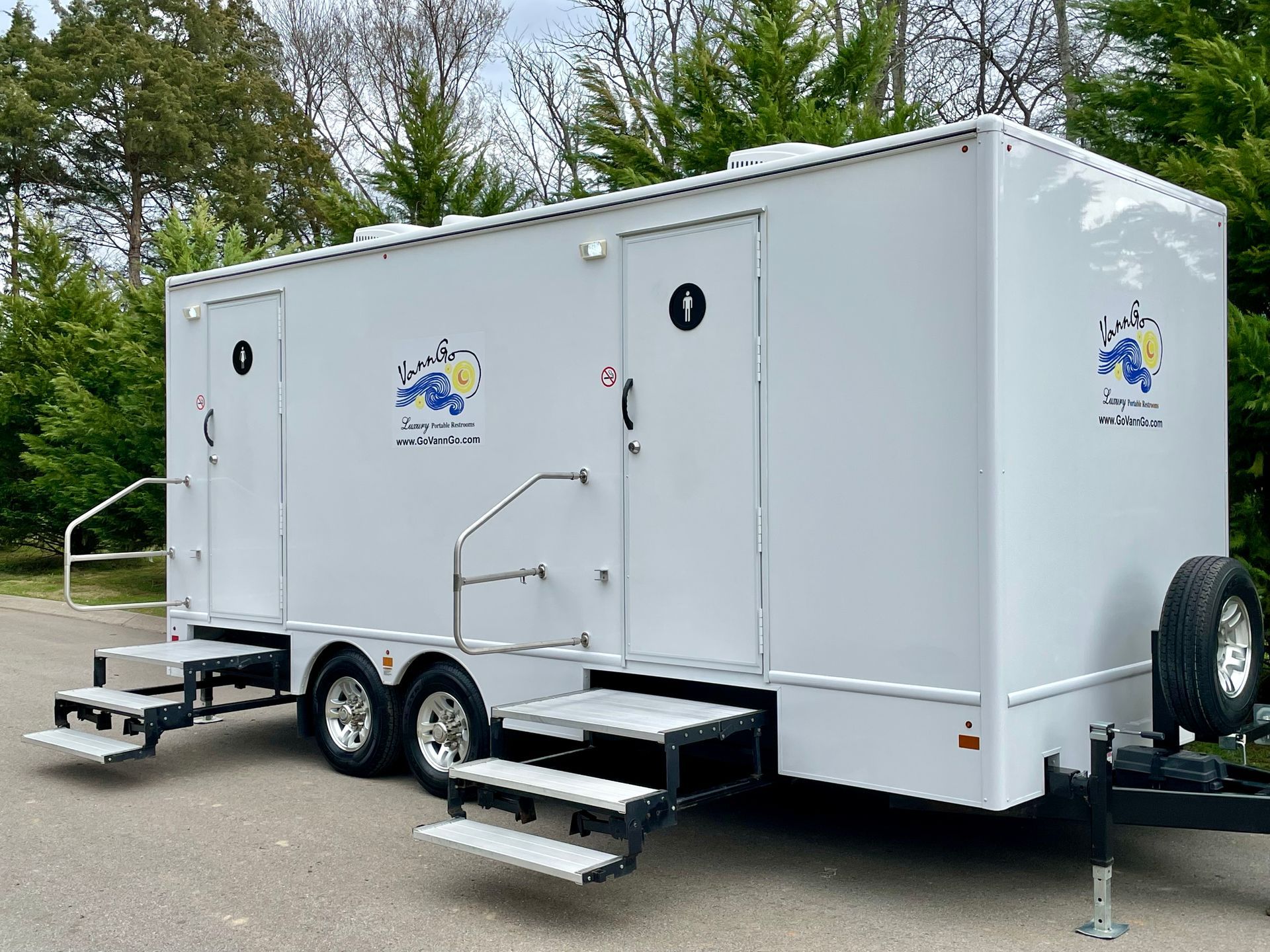
Transitioning to an eco-friendly operational model does not mean sacrificing attendee comfort or sophistication. For formal gatherings like weddings, corporate retreats, or upscale galas, planners can utilize bathroom trailer rentals to provide an elevated experience that aligns with green principles. These advanced trailers feature modern aesthetics, climate control, and functional lighting while maintaining strict eco-conscious standards. Many models incorporate solar-powered electrical systems to run low-consumption LED lights and ventilation fans, and they utilize ultra-efficient micro-flush mechanisms that deliver a premium experience using a fraction of the water required by residential plumbing.
Promoting Hygiene Standards With Clean Waste Treatment Practices
Maintaining top-tier public health standards is an essential component of social sustainability. Modern temporary sanitation configurations pair bathroom trailer rentals or standard units with specialized, waterless hand sanitizer stations or foot-pump-activated handwashing sinks. The blue sanitizing liquids utilized within the holding tanks have evolved significantly, shifting away from harsh formaldehyde-based formulations toward biodegradable, enzyme-driven solutions. These modern compounds break down waste naturally and neutralize odors without introducing persistent chemical toxins into the environment, ensuring that the entire sanitation cycle remains safe for both the users and the ultimate treatment facilities.
Implementing Practical Strategic Planning Tips
Calculating Accurate Capacity Profiles to Prevent Overflow
Achieving true sustainability requires precise calculations to avoid resource shortages or unnecessary operational waste. Ordering too few facilities leads to long lines and increases the risk of soil pollution from desperate attendees, while ordering too many leads to redundant transportation emissions. Planners should evaluate the exact duration of the gathering, the strict attendee count, and whether food and beverages will be served. Consulting with a dedicated portable restroom rental provider helps determine the optimal number of units required to maintain perfect sanitary conditions without over-allocating resources.
Positioning Facilities Intentionally to Support Eco-Conscious Traffic
The physical placement of sanitation facilities across a venue greatly influences attendee behavior and environmental protection. Units should be situated on level ground, well away from natural slopes, drainage ditches, or sensitive vegetation zones. Clear, energy-efficient signage should guide guests toward the facilities to prevent off-trail foot traffic that can trample local plant life. Grouping a standard portable restroom rental arrangement alongside clearly marked recycling and composting bins creates centralized sanitation hubs, reinforcing eco-friendly habits among attendees and making waste collection efforts far more efficient for cleanup crews.
Embracing sustainable event management is a multi-faceted endeavor that requires analyzing the environmental impact of every operational choice. Integrating a professional
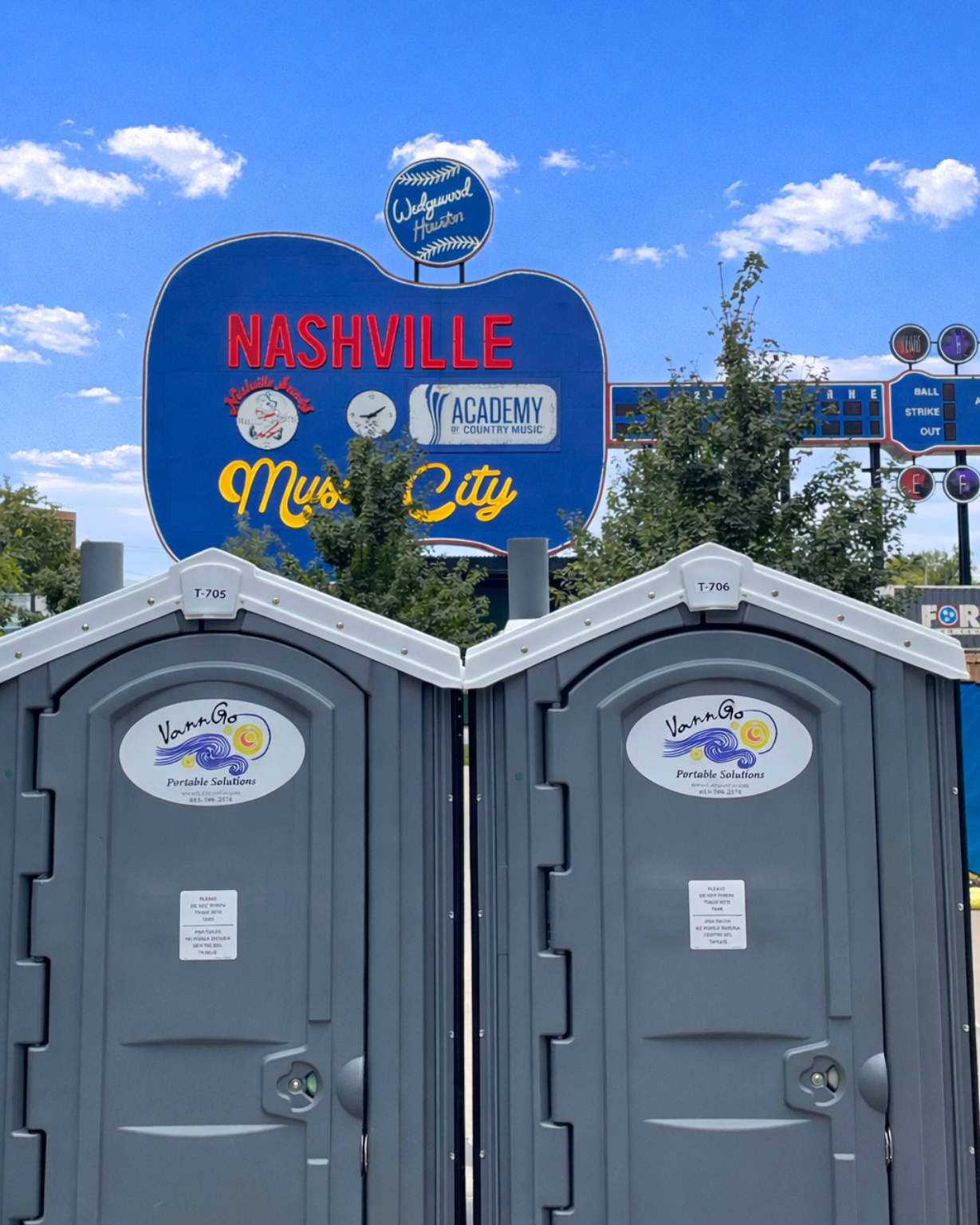
portable restroom rental into the foundational infrastructure represents a massive step forward in conserving fresh water, protecting delicate regional soil networks, and preventing the pollution of local aquatic ecosystems. From basic single-user units to sophisticated bathroom trailer rentals, temporary sanitation technology provides planners with the scalable tools necessary to host large crowds safely and responsibly. By prioritizing these resource-efficient solutions, the event industry can continue to bring people together for memorable celebrations while actively safeguarding the health of the planet. If you are planning an event that will need portable restrooms or need to rent last minute, contact VannGo Luxury Mobile Restrooms & Portable Solutions today for free estimates and same-day rentals.